

Job Hugging: How to Stay Without Getting Stuck
Job hugging means staying in a job because leaving feels too risky. When staying is the right call in 2026, what it costs you, and how to stay with a plan.
Job hugging means staying in a job because leaving feels too risky. When staying is the right call in 2026, what it costs you, and how to stay with a plan.

Career change at 40: you likely have more working years ahead than behind. What is harder, what is easier, and why direction should come before retraining.
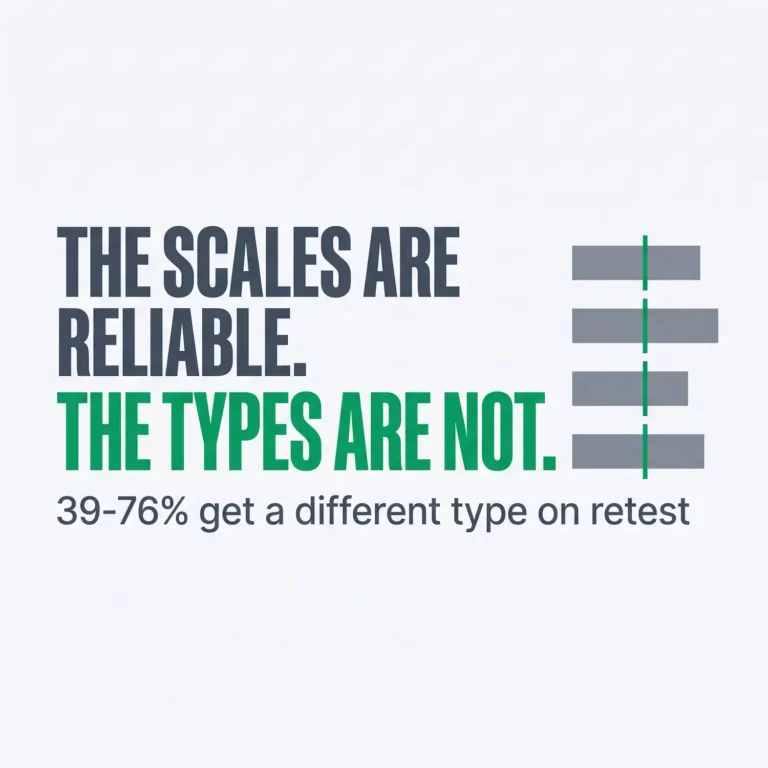
Is MBTI accurate? The scales are reliable, the types are not - here's why your letters change, what the career research found, and what to use instead.
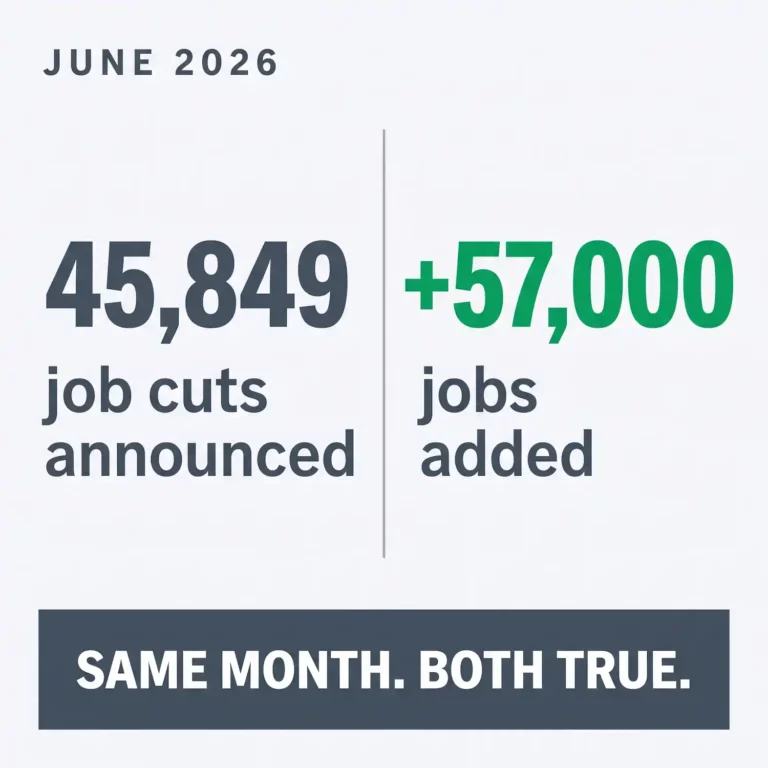
Will AI take my job? The data points both ways at once. Here's how to tell which kind of evidence you're reading, and how much of it to believe.
Career regrets get quoted as fact from surveys that never asked the question. Here's what the evidence supports, and which regrets actually last.

Your core values are the compass for choosing a career that fits. Here's how to use them to move toward the right work - and filter out prestige traps.

Jobs you've never heard of are often the best fit - you just can't search for a title you don't know exists. Here's how to find the ones that suit you.

A portfolio career means treating your work as a set of skills, not a single title. Here's what that looks like in the AI economy - and how to build one.

AI agent manager is a real and rapidly emerging role - here's what the work involves, who's hiring, and how engineers and PMs can move into it.

Holland codes careers map onto six types: Realistic, Investigative, Artistic, Social, Enterprising, Conventional. Find yours and the jobs that fit.