


Introduction
Losing a job is one of life’s most stressful events. The sudden email or meeting that ends with you handing over your badge can leave you feeling untethered, anxious, and unsure of your worth. If you are currently scrolling through search results trying to figure out what to do after being laid off, know this: you are not alone, and this is not the end of your professional story.
While the initial shock is painful, a layoff often serves as an unexpected catalyst for positive change. It forces a pause that – while uncomfortable – can lead to profound self-discovery. Instead of panic-applying to identical roles that didn’t fulfill you, you have a unique opportunity to reassess what you truly want. This guide will walk you through the practical, emotional, and strategic steps to turn this setback into a career breakthrough.

1. Process the Emotional Impact First
Before you update your resume or open LinkedIn, you must address the emotional toll. The “hustle culture” instinct tells us to bounce back immediately, but ignoring your feelings can lead to burnout later.
Acknowledge the Grief
Losing a job is a form of grief. You aren’t just losing a paycheck; you are losing a routine, a social circle, and often a sense of identity. It is normal to cycle through shock, anger, and sadness. Give yourself a “mourning period” – whether it’s three days or a week – where you allow yourself to feel without pressure to be productive.
Protect Your Mental Health
The stress of unemployment can trigger anxiety and erode self-confidence. If you were feeling drained before the layoff, you might also be dealing with residual exhaustion. Recognizing the signs of mental fatigue is crucial.
- Rest is productive: You cannot build a new future on an exhausted foundation.
- Seek support: Talk to friends, family, or professionals who can provide perspective.
- Check your past: If your previous role was high-stress, read our guide on Burnout at Work: Hidden Signs and How to Recover to ensure you don’t carry that baggage into your next role.
2. Handle the Immediate Practicalities
Once the initial emotional wave subsides, it is time to secure your foundation. Knowing what to do after being laid off starts with stabilizing your finances so you can search for a job with a clear head, rather than out of desperation.
- File for Unemployment: Do not wait. In many regions, there is a waiting period, so file immediately to get the clock ticking.
- Review Severance and Benefits: Read your separation agreement carefully. Do you have continued health coverage? Is the severance package negotiable?
- Assess Your Runway: Calculate exactly how long you can survive without income. Knowing you have three or six months of “runway” reduces panic and allows you to be selective about your next move.
Tip: Do not be ashamed to use these resources. You paid into the system for exactly this situation.

3. Assess: Was Your Old Career Actually Working?
This is the most critical step in reinventing yourself. Ask yourself honestly: Did I actually love that job, or am I just missing the safety of it?
The “Sunk Cost” Trap
Many people rush back into the same industry because they feel they have invested too much time to switch. However, being laid off breaks that cycle. It is the perfect time to ask, “Is getting laid off a sign I chose the wrong career?”
Deep Dive into Personality and Values
To find a role that is “layoff-proof” in terms of satisfaction, you need to look inward. Your next move should align with your core personality traits, not just your previous job title.
- Values: Do you value autonomy, creativity, or stability?
- Personality: Are you an introvert forced into sales, or a creative stuck in data entry?
- Psychology: Understanding frameworks like the Big Five Personality Traits can scientifically guide you toward roles where you will naturally thrive.
4. Discovering New Options with AI
In the past, career changes required expensive career coaches or hours of guessing. Today, technology can bridge the gap between “lost” and “found.”
Leverage CareerSeeker AI
If you are struggling to pinpoint your next step, CareerSeeker AI offers a unique solution. Unlike standard job quizzes, our AI consultant dives deep into your psychological profile, past frustrations, and hidden talents.
- It’s Free & Anonymous: You can take the Start Plan without paying a cent or even providing your email.
- It’s Deep: We map your traits to uncover career paths you might never have considered – from creative fields to emerging tech roles.
- It’s Safe: Because it’s anonymous, you can be brutally honest about what you hated in your last job, leading to better suggestions.
Using AI for career planning allows you to see the market objectively and find where your specific neurodivergent traits or unique skills are assets, not liabilities.
5. Identify Your Transferable Skills
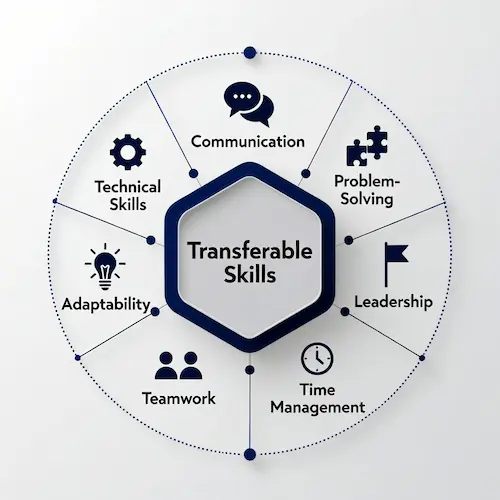
You are not starting from zero; you are starting from experience. Even if you switch industries, your “transferable skills” travel with you.
Hard Skills vs. Soft Skills
- Hard Skills: Coding, accounting, machine operation.
- Soft Skills: Leadership, communication, adaptability, crisis management.
Employers often value soft skills more than hard skills because they determine how well you learn and adapt. If you are worried about the transition, check out our article on Exciting IT Jobs Perfect for Career Changers Like You. It highlights how skills from non-tech backgrounds can translate into high-paying tech roles.
6. Future-Proof Your Next Move
When deciding what to do after being laid off, you must consider the longevity of your next role. The job market is shifting rapidly due to automation and artificial intelligence.
Embracing the AI Revolution
Fear of AI replacing jobs is common, but the reality is more nuanced. AI is creating as many jobs as it changes. The key is to find “future-proof careers” where human empathy, complex problem-solving, and strategy are required.
- Don’t Fight It: Learn how to use AI tools in your field.
- Pivot Into It: Consider roles that work alongside AI.
- Learn More: Read about AI Can Help You Land Dream Jobs Now to understand how to leverage this technology rather than fear it.
7. Revamp Your Personal Brand
Once you have a target, you need to tell your new story. Your resume and LinkedIn profile shouldn’t just be a list of past duties; they should be a marketing brochure for your future.
Explaining the Layoff
One of the biggest anxieties is explaining a layoff in interviews.
- Be Brief: “My company underwent a restructuring, and my role was affected.”
- Be Positive: “I’m using this time to pivot toward [New Field], which aligns better with my long-term goals.”
- Be Forward-Looking: Pivot the conversation immediately to what you can do for them.
Optimize Your Resume
Tailor your resume for the job you want, not the job you had. Use keywords from the job description and highlight the transferable skills you identified in Step 5.
Conclusion
Being laid off is a bruise to the ego, but it does not have to be a fatal blow to your career. In fact, many successful professionals look back on a layoff as the push they needed to leave a stagnant situation and find work that actually lights them up.
You have processed the shock, secured your finances, and now you have the chance to choose a path that fits you. Don’t settle for the first thing that comes along. Use this time to explore, reassess, and rebuild.
Ready to find a career that matches your true potential? Stop guessing and start discovering. Try CareerSeeker AI’s career assessment today. It takes less than 10 minutes, requires no signup, and could be the first step toward the job you were always meant to have.